
As digital keyless entry door locks gain popularity, questions about their security become increasingly important. These locks, designed to replace physical keys with electronic codes, biometric scans, or smartphone apps, promise convenience and advanced access control. However, with the rise of cyber threats, it is crucial to assess how resistant these devices are to hacking attempts and unauthorized access.
Innovating Smart Security Solutions
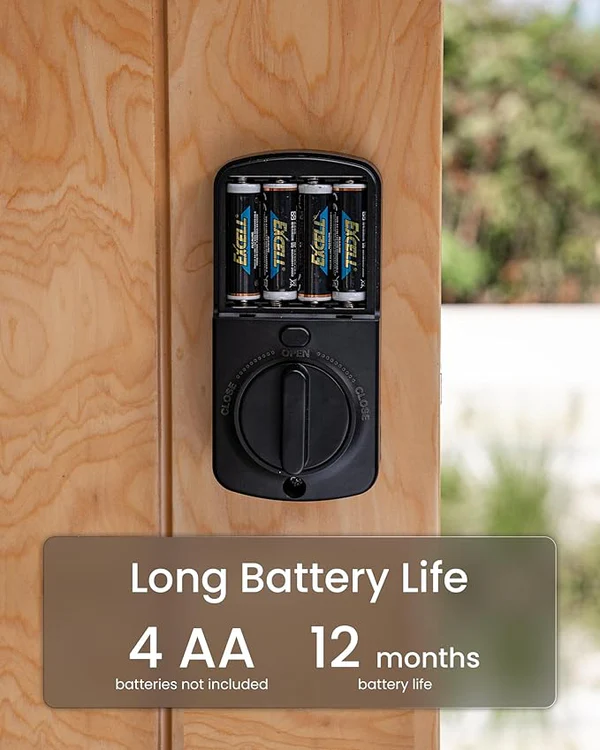
The DESLOC B200 Fingerprint Smart Lock is an example of their commitment to secure, user-friendly access management. Equipped with Bluetooth control through the TTLock app within a range of 2 meters, the B200 model supports temporary access codes, allowing homeowners to grant scheduled entry to guests or service providers. Additionally, when paired with the optional G2 Gateway(Sold separately), users can remotely control the lock, enhancing flexibility without compromising security. The lock operates on 4 AA batteries(Sold separately), lasting approximately 12 months, and features a low-battery indicator along with a USB Type-C emergency power port, ensuring consistent functionality.
Security Features and Vulnerabilities of Digital Keyless Entry Door Locks
Digital keyless entry door locks, including those from DESLOC, utilize encryption protocols to protect communication between the lock and controlling devices such as smartphones or keypads. Many models, including the DESLOC B200, rely on Bluetooth Low Energy (BLE) communication secured with authentication measures to prevent unauthorized pairing. Furthermore, biometric options like fingerprint recognition add a layer of security difficult to replicate.
Despite these protections, vulnerabilities persist. Hackers may exploit weak encryption, software bugs, or poor implementation of security protocols. For example, replay attacks can occur if a device does not properly verify unique tokens for each access attempt. Malware or unauthorized access to the controlling app can also compromise lock security. However, reputable brands like DESLOC regularly update firmware to patch vulnerabilities and improve defenses, which is critical for maintaining security over time.
Choosing the Best Keyless Entry Door Lock for Security
Selecting the best keyless entry door lock involves evaluating not just convenience but also the robustness of its security architecture. Consumers should prioritize locks with strong encryption standards, multi-factor authentication options, and regular software updates. DESLOC’s B200 model illustrates this balance by combining biometric verification, encrypted Bluetooth communication, and remote control options via the G2 Gateway, making it a strong candidate for secure digital keyless entry door locks.
Evaluating Digital Keyless Entry Locks: Security Is a Continuous Journey
Digital keyless entry door locks represent a significant advancement in home security, offering convenience and enhanced control. However, their security is not absolute and depends on ongoing vigilance by manufacturers and users alike. Brands like DESLOC set industry standards by integrating strong encryption, biometric authentication, and remote management capabilities, yet users must keep firmware updated and practice secure app usage to mitigate hacking risks. Ultimately, the best keyless entry door lock is one that combines technological innovation with proactive security measures, ensuring that convenience does not come at the expense of safety.