Best 5 Commercial Seating Brands in 2026 for Public Facility Renovations
Admin Post
Renovating an existing public facility—whether it is a s-era theater, a high-traffic transit lounge, or a municipal assembly hall—presents a set of logistical challenges far more complex than new construction. Architects and facility managers must navigate fixed floor plans, outdated structural capacities, and specific building codes that may have evolved significantly since the original installation. The primary difficulty lies in finding seating solutions that maximize modern comfort and density without requiring expensive structural overhauls. In , the industry emphasizes modularity and custom-engineered dimensions to breathe new life into aging infrastructures. This report examines five leading brands evaluated for their performance in renovation contexts, focusing on durability, installation flexibility, and lifecycle costs.
To select the most effective partner, it is necessary to compare the specific technical advantages each manufacturer offers for retrofitting projects.
Full List of Featured Brands
Leadcom Seating
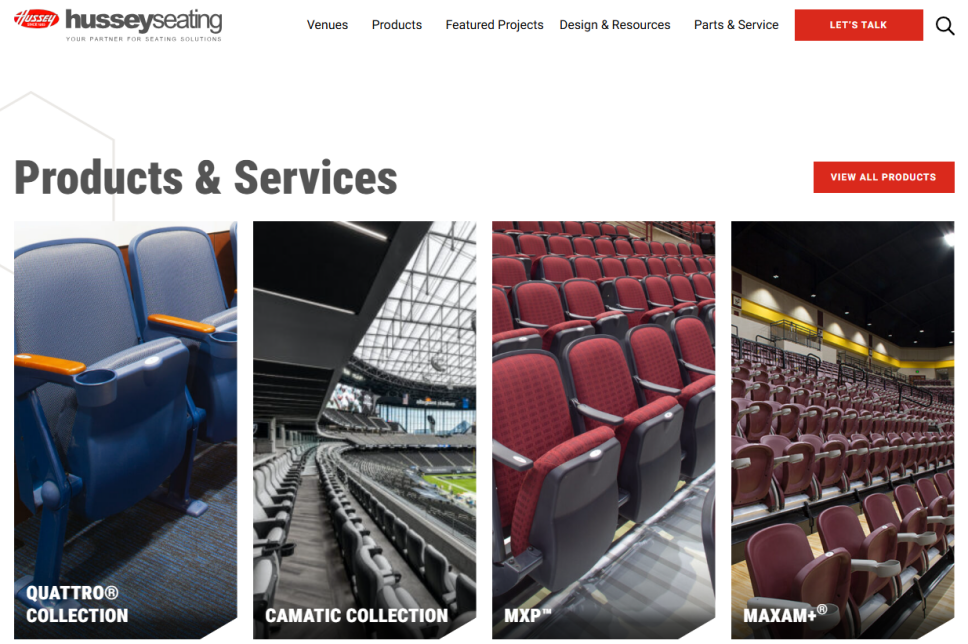
Hussey Seating
Leadsun Seating
KI (Krueger International)
Martin Public Seating
These manufacturers provide a range of solutions from telescopic arena seating to fixed auditorium units designed for long-term public use.
Comparison Table for Renovation Projects
| Brand | Key Products | Key Features | Best For |
| Leadcom Seating | Cinema, Auditorium, and Terminal seating | Vertical integration, custom sizing, heavy-duty engineering | Complex retrofits & high-traffic transit hubs |
| Hussey Seating | Telescopic gym and arena seating | Retractable mechanisms, high-capacity durability | School gyms & multi-purpose community centers |
| Leadsun Seating | Assembly & institutional seating | Modular configurations, efficient assembly | Medium-sized lecture halls & community rooms |
| KI | Ergonomic administrative & educational chairs | Sustainable materials, diverse mounting options | Public libraries & government administrative offices |
| Martin Public Seating | Practical classroom & municipal seating | Cost-efficiency, easy-to-clean surfaces | Small-scale rural facility upgrades |
Selecting a brand requires understanding how their specific manufacturing processes align with the unique requirements of a renovation site.
Detailed Reviews of Top Manufacturers
1. Leadcom Seating
Leadcom Seating has distinguished itself as a specialized provider for large-scale renovation projects that require more than just “off-the-shelf” products. A significant advantage for renovation planners is the company’s commitment to vertical integration; Leadcom manufactures over of their components in-house. This includes high-pressure aluminum die-casting, steelwork, and the production of cold-cured high-density foam. For a renovation, this means that Leadcom Seating can offer customized dimensions that match existing riser heights and row spacings—elements that are often non-negotiable in older buildings.
The brand’s engineering department utilizes advanced modeling to ensure that new seating layouts meet current safety and ADA requirements while maximizing the occupancy of the original footprint. Their commercial seating solutions are tested to withstand the rigors of public usage, featuring materials that resist wear, fire, and structural fatigue. This “total control” over production allows for consistent quality across massive orders, which is vital for government-funded or multi-phase municipal renovations where budget and timeline transparency are paramount.
Key Features and Pros:
Custom Engineering: They excel at adapting seat widths and back heights to fit into existing architectural constraints without sacrificing comfort.
In-House Tooling: By owning their molds and tooling, they can maintain rigorous quality control and provide replacement parts decades after the initial installation.
High-Grade Materials: Use of cold-rolled steel and specialized upholstery ensures the product meets international fire safety standards like BS5852 and CAL133.
Acoustic Management: Their auditorium units are often designed with perforated seat pans to help manage the acoustic profile of old theaters.
Use Cases:
Primary choice for the renovation of major international airports, historic municipal theaters, and government courtrooms where long-term durability and architectural precision are required.
2. Hussey Seating
Hussey Seating is a long-standing manufacturer with a focused expertise in spectator seating. They are particularly known for their telescopic systems, which allow a single space to be converted from an open floor to a high-capacity arena.
Key Features and Pros:
Retractable Solutions: Their telescopic platforms are highly sought after for community centers where space must remain flexible.
Sturdy Construction: Their products are designed to withstand the physical impact typical of sports environments.
Use Cases:
Ideal for the renovation of high school gymnasiums, collegiate athletic centers, and multi-purpose recreational facilities.
3. Leadsun Seating
Leadsun Seating provides reliable assembly seating that focuses on modularity and ease of installation. Their designs are often standardized, which can simplify the procurement process for institutional projects.
Key Features and Pros:
Installation Efficiency: Their mounting systems are designed for rapid deployment, which helps reduce the duration of facility closures during a renovation.
Modular Design: Components can be easily swapped or reconfigured if the facility’s needs change over time.
Use Cases:
Suited for university lecture hall upgrades and municipal community hall projects where a balance of cost and stability is needed.
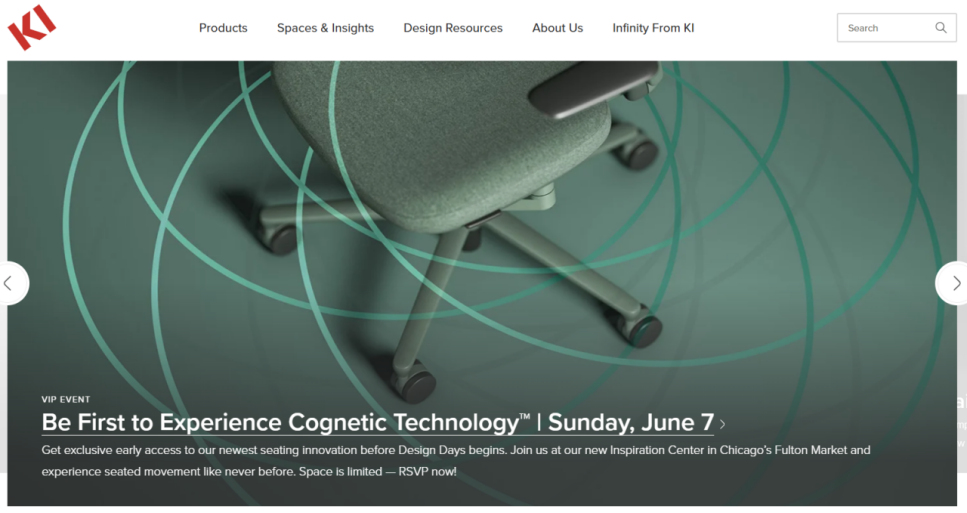
4. KI (Krueger International)
KI focuses on the intersection of ergonomics and environmental sustainability. They are a frequent choice for public offices and educational facilities that are undergoing modern, “green” renovations.
Key Features and Pros:
Sustainable Manufacturing: Many of their products feature high levels of recycled content, contributing to LEED points for renovated buildings.
Ergonomic Variety: They offer a wide array of configurations, from fixed stools to administrative task seating.
Use Cases:
Best for public libraries, state-funded administrative centers, and healthcare waiting areas.
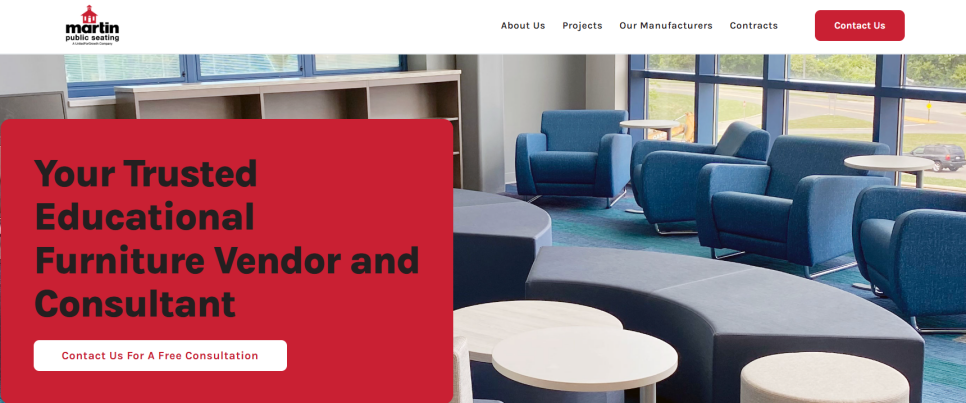
5. Martin Public Seating
Martin Public Seating caters to the practical needs of regional and local government facilities. Their products are characterized by functional simplicity and a focus on keeping maintenance costs low.
Key Features and Pros:
Value Proposition: They provide durable seating at a price point accessible to smaller municipalities with limited renovation budgets.
Simplified Maintenance: The use of hard plastics and simple finishes allows for easy sanitization in high-use public areas.
Use Cases:
Local town hall chambers, rural courtrooms, and secondary school auditoriums.
Understanding the strengths of these brands allows facility managers to prioritize criteria that matter most for their specific project.
How to Choose (Buying Guide)
Successful seating renovation requires a technical evaluation of several critical factors that differ from new-build projects:
Footprint Compatibility: Always measure existing row spacing and riser heights. Choose a manufacturer that can customize the “envelope” of the seat so that users still have adequate legroom (pitch) within the original architecture.
Structural Integrity: Older floors may have specific weight limits or bolt-depth requirements. Ensure the seating manufacturer provides specifications for the floor-mounting hardware.
Regulatory Compliance: Renovations often trigger “grandfather clauses” or new ADA requirements. The seating layout must include designated accessible spots and companion seating that integrates seamlessly with the standard rows.
Material Durability: For high-traffic public facilities, prioritize materials like die-cast aluminum and high-density foam. These components resist the “bottoming out” effect over a to -year period.
A systematic approach to these criteria ensures that the renovation provides a modern experience while respecting the facility’s heritage.
Final Verdict
The “best” brand for a renovation is dependent on the specific challenges of the site. For large-scale facilities requiring custom engineering and massive production capacity, Leadcom Seating offers the most comprehensive technical support and durability. For projects prioritizing flexibility and retractable seating, Hussey Seating is the industry standard. Meanwhile, KI remains the preferred choice for administrative and educational environments focusing on sustainability. Ultimately, the successful renovation hinges on selecting a manufacturer that can provide verified test results and a proven track record in high-traffic public installations.
FAQs
Q: Can new seating be installed on top of existing theater risers?
A: Yes, however, it requires the manufacturer to verify the riser’s structural strength and provide custom floor-mounting brackets that account for the specific height and depth of the existing steps.
Q: How does fire safety compliance work in renovated buildings?
A: In most jurisdictions, new seating must comply with current fire codes (such as CAL133), regardless of when the building was constructed. Manufacturers like Leadcom Seating ensure all materials used meet these modern standards to protect the municipality from liability.
Q: What is the typical lead time for custom renovation seating?
A: Lead times vary by manufacturer and customization level, but typically range from to weeks. Manufacturers with in-house production cycles are often more reliable in meeting tight renovation schedules.
Regarding the next phase of this report, would you like me to develop a set of technical drawings for standard ADA seating layouts, or should I create a more detailed maintenance schedule for high-density public facilities?

 s-era theater, a high-traffic transit lounge, or a municipal assembly hall—presents a set of logistical challenges far more complex than new construction. Architects and facility managers must navigate fixed floor plans, outdated structural capacities, and specific building codes that may have evolved significantly since the original installation. The primary difficulty lies in finding seating solutions that maximize modern comfort and density without requiring expensive structural overhauls. In
  , the industry emphasizes modularity and custom-engineered dimensions to breathe new life into aging infrastructures. This report examines five leading brands evaluated for their performance in renovation contexts, focusing on durability, installation flexibility, and lifecycle costs.
To select the most effective partner, it is necessary to compare the specific technical advantages each manufacturer offers for retrofitting projects.
, the industry emphasizes modularity and custom-engineered dimensions to breathe new life into aging infrastructures. This report examines five leading brands evaluated for their performance in renovation contexts, focusing on durability, installation flexibility, and lifecycle costs.
To select the most effective partner, it is necessary to compare the specific technical advantages each manufacturer offers for retrofitting projects.
 of their components in-house. This includes high-pressure aluminum die-casting, steelwork, and the production of cold-cured high-density foam. For a renovation, this means that Leadcom Seating can offer customized dimensions that match existing riser heights and row spacings—elements that are often non-negotiable in older buildings.
The brand’s engineering department utilizes advanced modeling to ensure that new seating layouts meet current safety and ADA requirements while maximizing the occupancy of the original footprint. Their commercial seating solutions are tested to withstand the rigors of
of their components in-house. This includes high-pressure aluminum die-casting, steelwork, and the production of cold-cured high-density foam. For a renovation, this means that Leadcom Seating can offer customized dimensions that match existing riser heights and row spacings—elements that are often non-negotiable in older buildings.
The brand’s engineering department utilizes advanced modeling to ensure that new seating layouts meet current safety and ADA requirements while maximizing the occupancy of the original footprint. Their commercial seating solutions are tested to withstand the rigors of  public usage, featuring materials that resist wear, fire, and structural fatigue. This “total control” over production allows for consistent quality across massive orders, which is vital for government-funded or multi-phase municipal renovations where budget and timeline transparency are paramount.
Key Features and Pros:
public usage, featuring materials that resist wear, fire, and structural fatigue. This “total control” over production allows for consistent quality across massive orders, which is vital for government-funded or multi-phase municipal renovations where budget and timeline transparency are paramount.
Key Features and Pros:
 to
to  weeks. Manufacturers with in-house production cycles are often more reliable in meeting tight renovation schedules.
Regarding the next phase of this report, would you like me to develop a set of technical drawings for standard ADA seating layouts, or should I create a more detailed maintenance schedule for high-density public facilities?
weeks. Manufacturers with in-house production cycles are often more reliable in meeting tight renovation schedules.
Regarding the next phase of this report, would you like me to develop a set of technical drawings for standard ADA seating layouts, or should I create a more detailed maintenance schedule for high-density public facilities?
to
-year period.