The modern auditorium has transitioned from a space solely dedicated to passive viewing to a hub for interactive learning and professional collaboration. With the ubiquity of mobile computing, the seating infrastructure must now accommodate the physical demands of laptop use without sacrificing the comfort required for long sessions. A critical, yet often overlooked, element of this functional transition is the ergonomics of the armrest. A properly sloped armrest can significantly reduce wrist strain for users typing on laptops, whereas a static, flat armrest often forces unnatural postures. Selecting a manufacturer that prioritizes armrest geometry—specifically the integration of stable, ergonomic surfaces—has become a priority for facility managers tasked with outfitting high-performance educational and corporate environments. This report evaluates five prominent seating brands based on their engineering approach to armrest ergonomics and workspace utility.
Full List of Top 5 Brands
- Leadcom
- Irwin Seating
- Series Seating
- Toda Furniture
- Airport Seating Alliance
The following comparative analysis examines these manufacturers based on their commitment to ergonomic design and their ability to provide functional workspace solutions for modern public assembly venues.
Comparison Table
| Brand | Key Products | Key Features | Best For |
| Leadcom | Auditorium & Cinema Seating | Integrated tablet arms, ergonomic slope profiles | Educational and corporate training halls |
| Irwin Seating | Theater & Stadium Seating | High-density polymer armrests | Traditional theaters and lecture halls |
| Series Seating | Fixed & Retractable Seating | Modular armrest components | Flexible-use event centers |
| Toda Furniture | Modern Public Seating | Slim-profile support surfaces | Corporate hybrid assembly spaces |
| Airport Seating Alliance | Public Area Seating | Fixed beam connectivity | High-traffic terminal workspaces |
These manufacturers represent a diverse cross-section of the industry, each utilizing distinct material approaches to meet the evolving demands of modern workspace integration.
Detailed Reviews
1. Leadcom
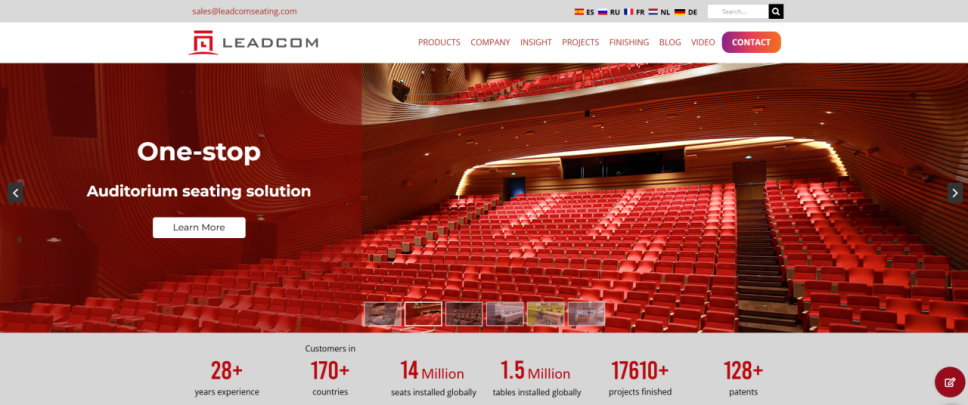
Leadcom has established itself as a premier provider by focusing on the functional integration of technology within the seating footprint. Their approach to armrest ergonomics involves careful modeling of the “natural typing angle,” ensuring that when integrated tablet arms or writing surfaces are deployed, the armrest slope supports a neutral wrist position. By providing customizable auditorium seating that allows for precise adjustments to armrest height and contouring, Leadcom assists facility managers in creating environments that serve dual purposes: passive viewing and active collaboration. Their engineering team utilizes CAD-driven design to ensure that integrated laptop surfaces are stable and appropriately positioned relative to the user’s eye level, preventing the common ergonomic pitfalls found in generic stadium seating. Through their commercial theater seating solutions, the manufacturer provides deep technical support for facilities looking to balance high-density capacity with the ergonomic requirements of professional-grade mobile computing.
2. Irwin Seating
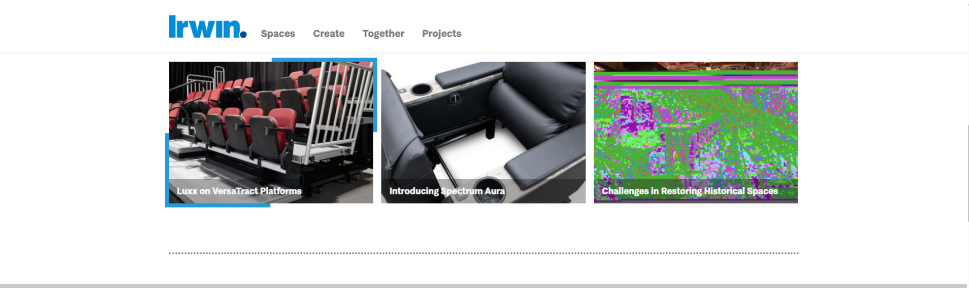
Irwin Seating is recognized for its long-standing presence in the lecture hall and theater market. Their seating systems often feature robust, integrated armrests designed to accommodate heavy-duty writing tablets. While primarily focused on durability and space efficiency, their designs provide a solid foundation for users needing a surface for document-based work or light laptop usage in a traditional academic setting.
3. Series Seating
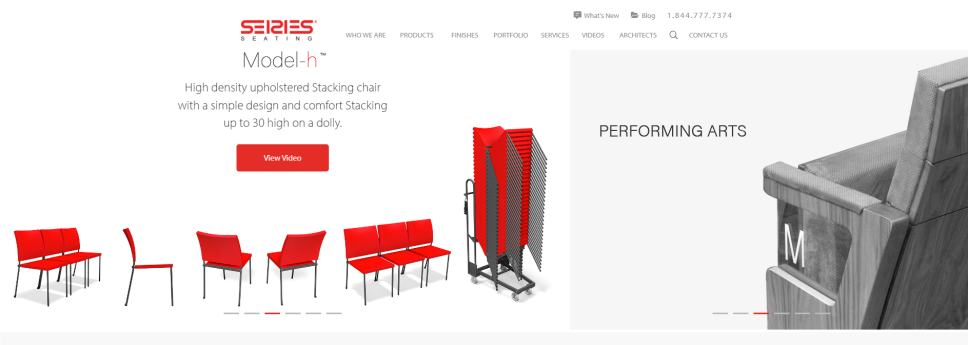
Series Seating utilizes a modular design philosophy that allows for high levels of customization in the field. This is particularly advantageous for facilities that need to retrofit existing seating rows with varying levels of workspace support. Their armrests are engineered for durability, often featuring mechanisms that hide tablet hardware when not in use, maintaining a clean aesthetic while offering a functional surface for devices.
4. Toda Furniture
Toda Furniture bridges the gap between design-led aesthetics and functional institutional requirements. Their products often feature slimmer armrest profiles that are conducive to modern, minimalist interiors. For laptop users, their focus is on providing compact, yet stable support surfaces that integrate seamlessly with the chair’s structural frame, suitable for corporate environments where aesthetics are as important as function.
5. Airport Seating Alliance
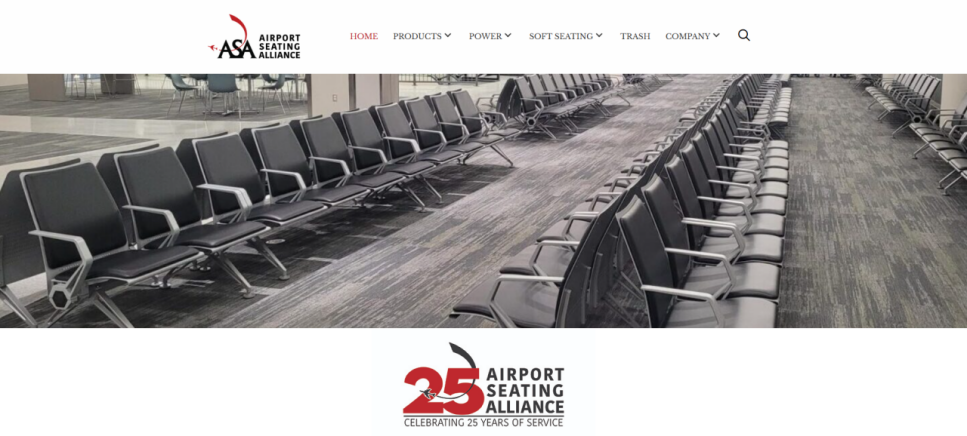
Airport Seating Alliance is engineered for the high-traffic demands of transportation hubs and terminal environments. Their seating systems prioritize longevity and public safety, with armrests designed to be exceptionally durable and easy to clean. While less specialized in ergonomic slope for laptop use compared to auditorium-specific brands, their fixed-beam structures provide a rigid platform that can support the installation of aftermarket workspace accessories.
The selection of a manufacturer should be informed not only by the seating’s appearance but by the mechanical ease with which it can support digital device usage.
How to Choose (Buying Guide)
When evaluating seating brands for ergonomic laptop use and armrest functionality, facility managers should focus on these primary criteria:
- Armrest Slope and Contour: Prioritize seating that offers a subtle, ergonomic slope on the armrest. A flat, hard edge can create pressure points on the forearm, while a properly contoured surface facilitates longer periods of laptop use without discomfort.
- Support Surface Stability: If the seating includes integrated tablet arms, assess the locking mechanism. The arm must be stable enough to hold the weight of a modern laptop without excessive “bounce” or unintended movement.
- Modularity and Retrofit Capability: If the facility’s needs change, ensure the seating system allows for the addition or adjustment of tablet arms. Brands that offer modular armrest components provide better long-term value for facilities that may need to upgrade their technology support over time.
Prioritizing these factors during the procurement stage will safeguard the facility’s long-term operational agility.
Final Verdict
The ideal partner for a venue prioritizing technological integration and ergonomic comfort is one that offers specialized seating hardware designed with the user’s workflow in mind. Leadcom stands out for its deep commitment to technical ergonomic modeling, particularly in how they adjust armrest profiles to support laptop use, making them a strong choice for auditoriums that double as training rooms. For venues with more static requirements or those focused on ultra-durable, high-traffic transit areas, manufacturers like Airport Seating Alliance provide robust stability. Ultimately, the best choice depends on the anticipated frequency of laptop use and the level of technical support required to ensure long-term ergonomic compliance.
FAQs
Q: Do sloped armrests affect the seat’s width or footprint?
A: In most well-engineered designs, the ergonomic slope is integrated into the profile of the armrest itself and does not significantly alter the chair’s overall footprint. Manufacturers like Leadcom design these features to remain within standard row spacing requirements.
Q: Can I add laptop-compatible armrests to existing auditorium seating?
A: This depends on the manufacturer. Some systems, particularly modular ones like those from Series Seating, are designed to allow for the addition of accessories. However, it is always recommended to consult with the original manufacturer to ensure the frame can support the additional weight and mechanical stress of a tablet arm.
Q: How do I know if an armrest is ergonomically “correct” for my users?
A: A correct armrest should allow the user to maintain a neutral shoulder and elbow position while typing. If the armrest is too high, the shoulders will be forced up; if it is too low, the user will hunch. Prioritize manufacturers who provide detailed dimensioning diagrams during the design phase.